

SWITCH LEFT CORK 540 PROGRESSION
Learn the full progression for a switch left cork 540: from right 180 to a finished corked rotation. Train it on trampolines, stomp it on snow.
Switch Left Cork 540 Progressions: Building a Big Trick Step by Step
A switch left cork 540 is one of those tricks that looks like it comes out of nowhere… until you break down everything that has to happen before it. This week’s SNÖ Report, led by Keith Shipman, breaks down the full progression on the trampolines: the exact steps a rider works through to build a switch left cork 540 safely and correctly, before ever taking it to snow.
What Is a Switch Left Cork 540?
A switch left cork 540 is a trick performed from a switch (backwards) stance, rotating left, with an off-axis “cork” rotation, totaling 540 degrees. You’ll see this trick in freestyle skiing and snowboarding, most commonly in slopestyle and big air. Because it combines a switch takeoff, a specific rotation direction, and an off-axis spin, it’s a trick that has to be built in pieces. Attempting it cold, without the underlying skills in place, is how riders get hurt.
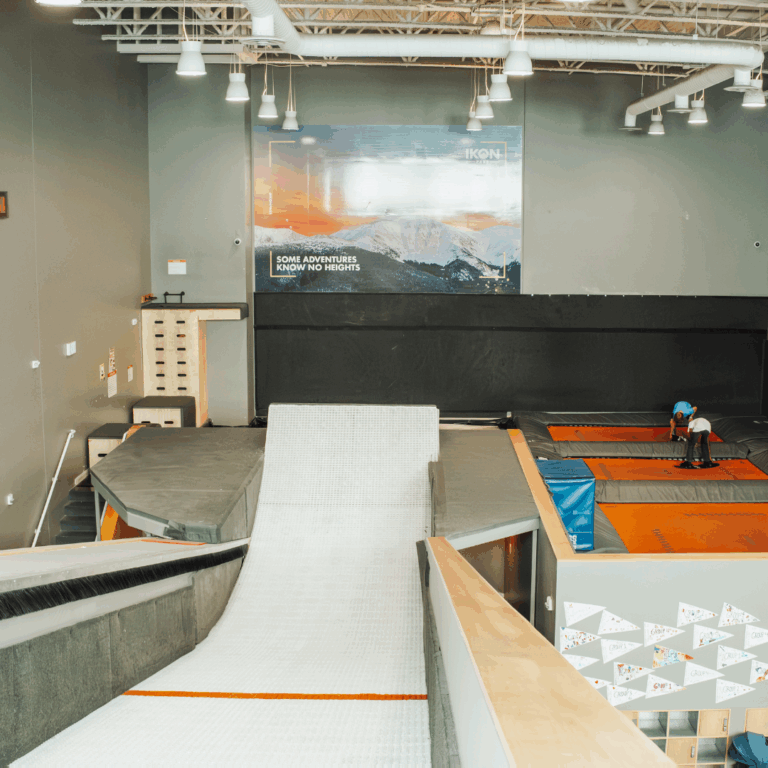
That’s why Keith builds it out on the trampolines first. This grants him full control, full visibility, and a soft landing while the body learns each new element.
The Steps
Step 1: RIGHT 180
Step 2: SWITCH LEFT 180
Step 3: RIGHT 180
Step 4: SWITCH LEFT 180 FOOTPLANT
Step 5: RIGHT 180
Step 5: SWITCH LEFT 180 PROGRESSION
Watch the SNÖ Report video below to see IT IN ACTION
Start stomping those corks! Learn from our Freestyle Coaches
Why Progressions Matter
Skipping steps in a progression like this isn’t just a shortcut, it’s how riders get hurt or build bad habits that are hard to unlearn later. Every step in this sequence exists to prepare the body for the next one: rotation direction, switch stance, footplant control, off-axis spin. Take any one of them out, and the next step gets a lot harder and a lot less safe.
This is also exactly why training indoors, on trampolines, matters heading into the season. There’s no waiting for snow, no risk of a hard landing on a trick that isn’t ready yet, and full visibility for a coach to catch and correct small errors before they become big ones. By the time winter shows up, the trick is already built. All that’s left is taking it outside.